


Singapore’s recent drop to 7th place in the IMD World Talent Ranking has stirred debate about rising costs, education investment, and competition from neighboring markets. It’s tempting to read this as a signal of decline. But rankings only tell part of the story.
The real question isn’t: Where did Singapore place this year?
It’s: What must leaders do to unlock the full potential of the talent we already have?
The Paradox of Readiness vs Retention
The IMD report highlights a paradox. On one hand, Singapore is ranked 2nd in talent readiness — a recognition of the strength of our education system, our high proportion of science graduates, and our attractiveness to skilled international professionals.
On the other hand, we lag in areas like education spending and cost of living, which erode our ability to keep talent anchored here long term. Add to that the reality that some companies are relocating to lower-cost hubs, and the challenge becomes clear:
Singapore has the skills. The question is whether leaders can create conditions that make talent want to stay.
Why Leadership Matters More Than Ever
Talent competitiveness is not just about GDP spend or global rankings. It’s about what happens inside organisations every day.
Leaders set the tone for retention. People don’t leave jobs; they leave managers who fail to trust or inspire them.
Multiplying capability matters more than attracting it. In a world where talent is mobile, leaders must amplify the impact of the teams they already have.
Culture is the ultimate differentiator. Cost may push some organisations outward, but culture is what pulls talent inward and keeps them committed.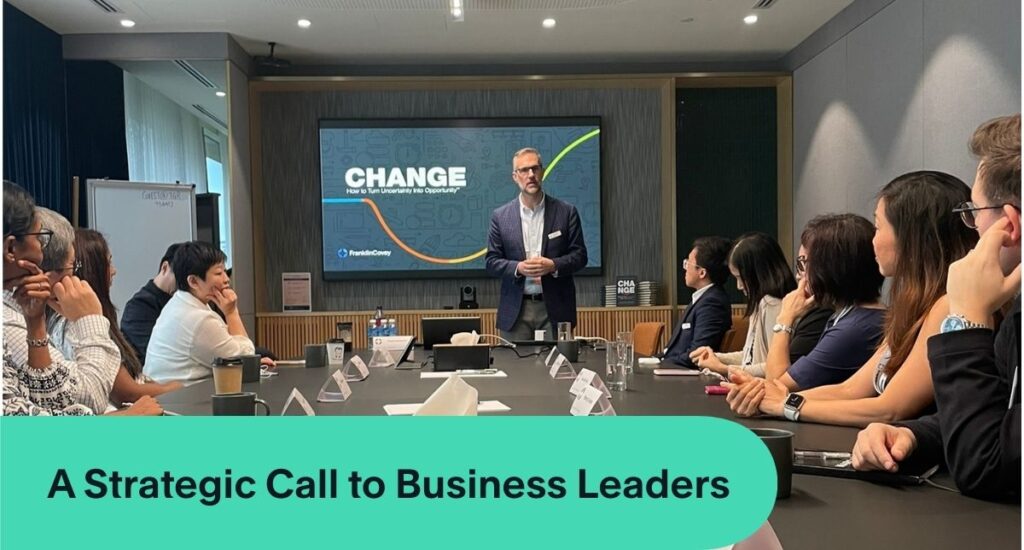
This shift is proof that leadership is Singapore’s hidden competitive advantage.
A Strategic Call to Business Leaders and HR
If we want Singapore’s global ranking to climb again, policy will play a role. But for individual organisations, the responsibility — and opportunity — lies squarely with leadership.
Ask yourself:
- Are my managers trusted by their teams?
- Do we reward control, or do we develop leaders who inspire?
- Have we invested as much in leadership capability as we have in technology and systems?
The answers to these questions will determine not only your ability to retain talent but also your organisation’s capacity to thrive in the next decade.
Rankings rise and fall. But the deeper story is constant: talent stays where leaders create trust, empowerment, and purpose.
Singapore’s slip in the IMD Talent Ranking is not a warning of weakness — it’s an invitation for leaders to act. By re-anchoring our leadership culture, we can turn readiness into resilience, and resilience into long-term growth.
👉 Find out how we can help you align your 2026 leadership strategy today.
Contact Us